Private schools have made education a business. How do we check against that?
Business feels like a dirty word to associate with education. Yet a profit-seeking entrepreneur can bring us closer to quality schooling than a noble bureaucrat. The incentives facing private school owners push them to be responsive to parents in ways that government school administrators are not. Understanding these incentives shows why private provision, despite its flaws, offers a more promising path to quality education than government schooling.
Consider the incentives of private school owners and what their self-interest makes them do. Since their sustenance depends on fee payments, private school owners are pushed to be responsive to parents. A clear demonstration of this is that many private schools are English-medium, a feature parents greatly value but do not find in government schools. The fear of losing children to competitors, including free government schools, creates pressure on private school owners to deliver on outcomes that matter to parents. Consequently, private school teachers must show up in classrooms and produce results. The school’s reputation is dear to private school owners. More money will only come when more parents deem the school suitable for their child. If they make too many mistakes, a sharp drop in enrolment would force them out of the market. There is no safety net. Finally, efficiency is non-negotiable if they are to remain economically viable. Strong feedback loops, efficiency, agility, and a focus on outcomes are all byproducts of a private school owner’s profit motive and entrepreneurial mindset.
Proportion of government (left) and private (right) schools with English as the medium of instruction
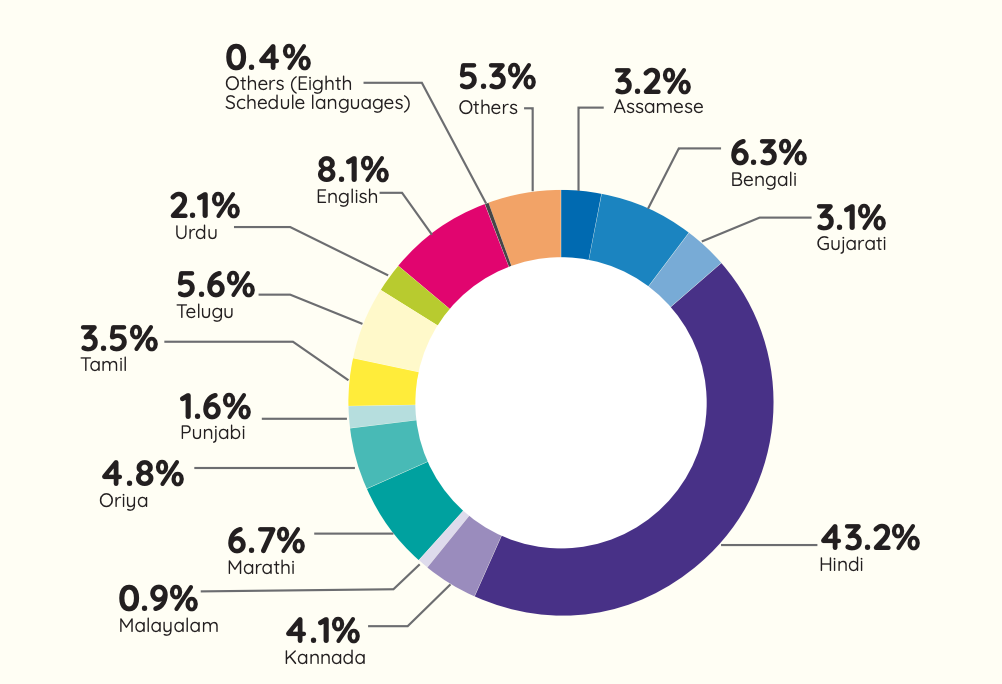
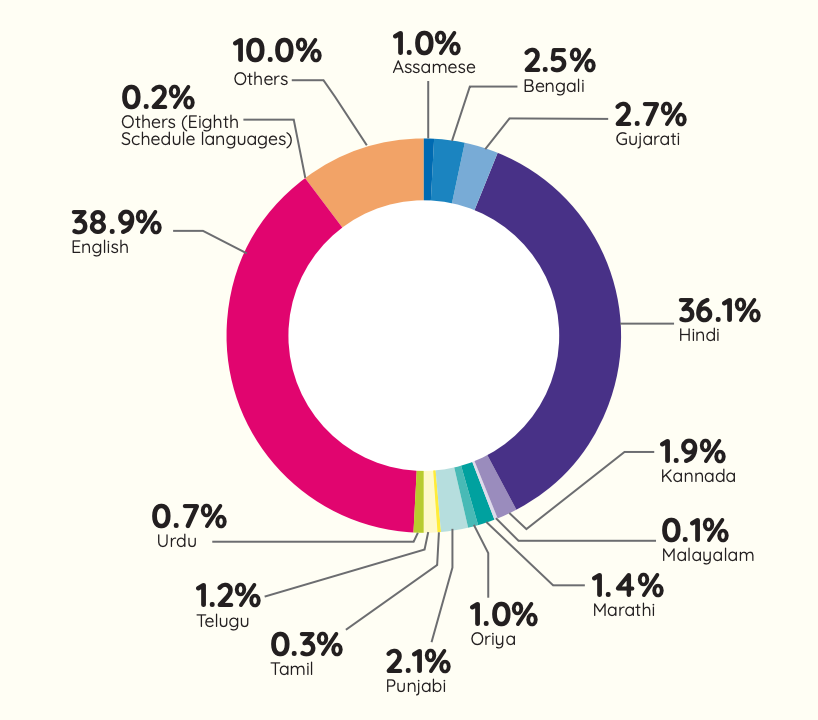 Source: National Education Policy 2020: A One-time Comprehensive Evaluation. Centre for Civil Society. 2021
Private school owners also have incentive problems. Some studies note that private school owners tend to focus on visible, easy-to-advertise quality indicators. Other concerns include arbitrary fee hikes, misinforming parents, and economising by compromising quality. Further, while private schools are better than their government counterparts, they still do not provide high-quality education. Innovation and variety in schooling are minimal. Private schools are far from perfect.
We often mistakenly compare the shortcomings of private schools with the ideal version of government schools. In the real world, though, our choice is between a slow-moving, apathetic system and a profit-driven one. When compared, the interests and incentives of private school owners are better suited to provide more children with access to quality education. Whether this promise of private schools is realised or squandered depends on the way they are governed and regulated. Unfortunately, our approach thus far has been heavy-handed, exacerbating the worst instincts of this system.
Comments
Discussion is moderated. Sign in with GitHub to leave a comment — comments are reviewed by the Centre for Civil Society team before publishing. To request removal of a comment, email contact@ccs.in.
Sign in with your GitHub account to leave a comment. Comments are reviewed by the Centre for Civil Society team before they appear publicly.